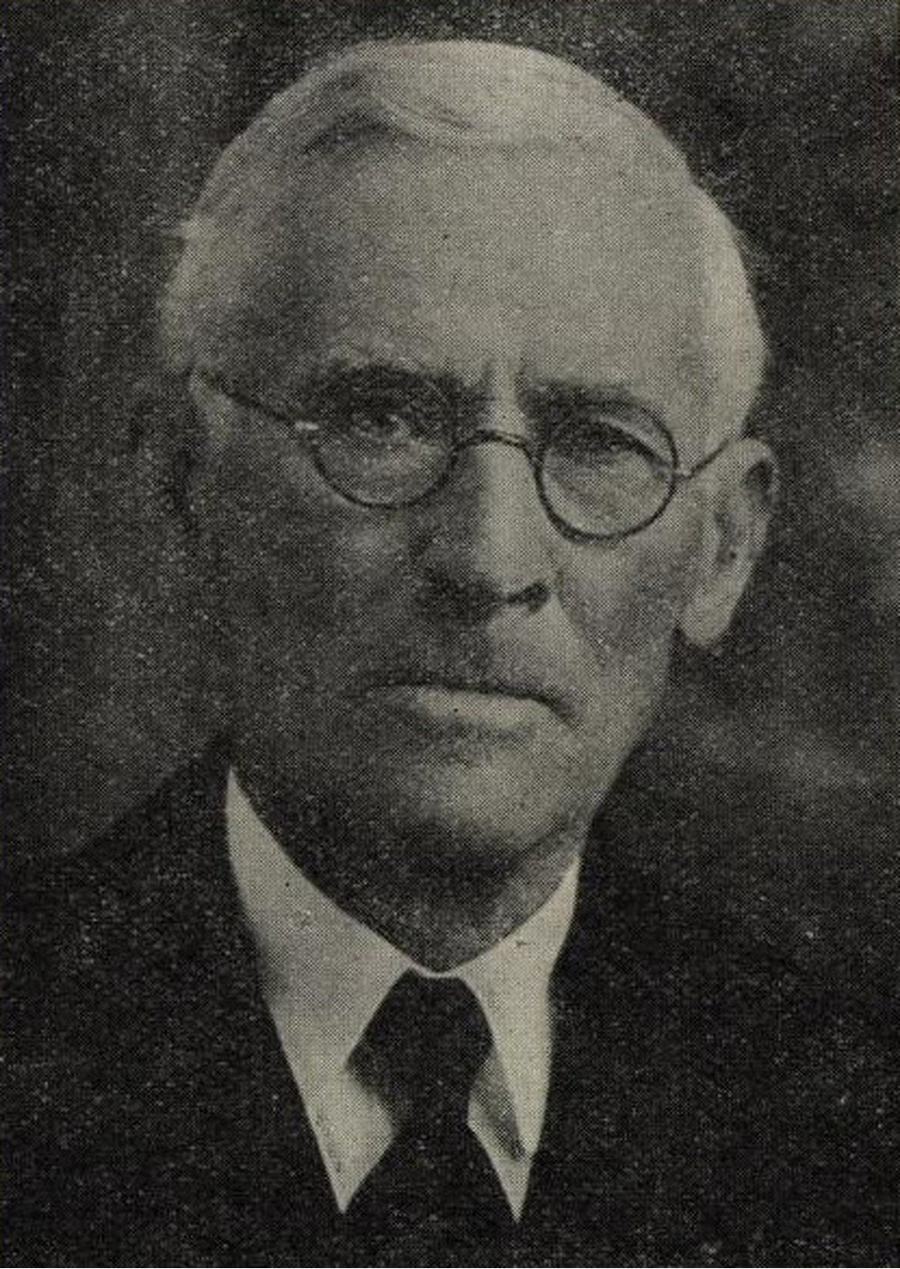
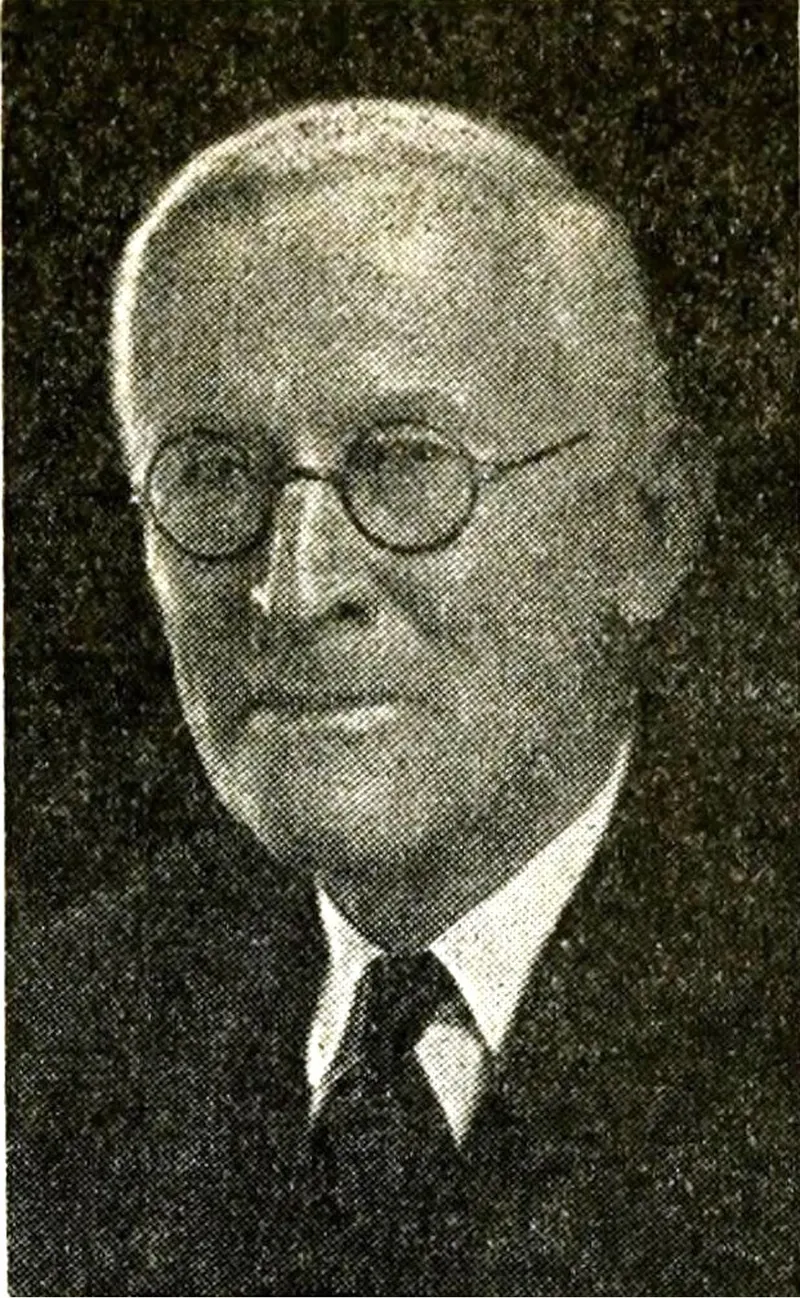
Most of us say the name a dozen times a day without thinking about it: Ivins. It is on our mail, our street signs and our kids’ school forms. But the name belongs to a real person, Anthony W. Ivins, a man who grew up just down the road in St. George. This November marks 100 years since he visited the little settlement on the Santa Clara Bench that would soon carry his name, so it feels like a good time to get to know him.
A New Jersey baby who grew up in Utah’s Dixie
Anthony Woodward Ivins was born on September 16, 1852, in Toms River, New Jersey. His family moved west to Utah Territory while he was still an infant, and in 1861 they were among the original settlers sent to St. George. He was nine years old. That made him one of the first generation of kids to grow up in this red rock country, long before there was a paved highway or a single golf course.
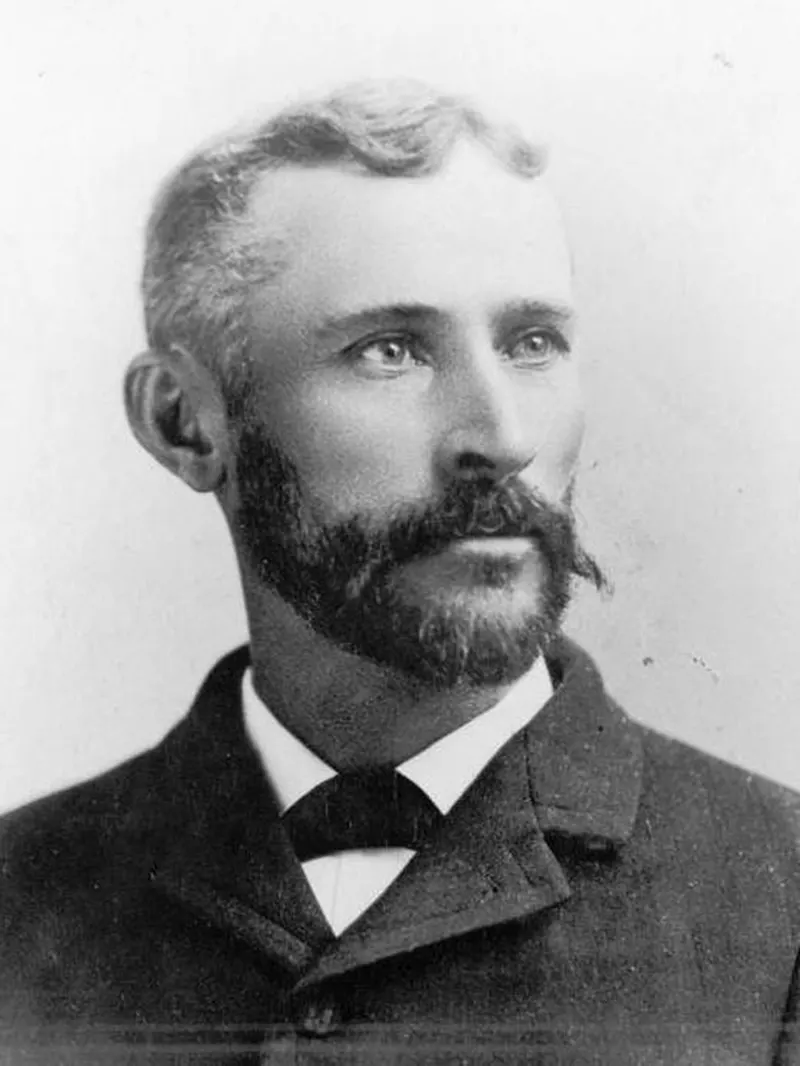
In 1878 he married Elizabeth Ashby Snow, a daughter of Erastus Snow, one of the leaders of the St. George settlement. They raised nine children.
Missions, ranching and public service in Southern Utah
As a young man, Ivins took part in an 1875 exploring mission through Arizona and New Mexico, served another mission in New Mexico in 1877, and later served in Mexico City, where he presided over the church’s Mexican Mission in 1883 and 1884. Back home in St. George, he served in the stake presidency and built a land and cattle business.
He was busy in civic life, too. Records describe him serving as a constable, on the St. George city council, as Washington County prosecuting attorney, as a member of the territorial legislature and as a delegate to Utah’s 1895 constitutional convention. As a government agent for the Shivwits Band of Paiutes, he helped secure an appropriation for the band’s reservation on the Santa Clara River, just a few miles from where Ivins sits today. That long relationship with the area’s Native American communities is one reason the Ivins Historical Society and the City of Ivins say he was so well known locally.
Twelve years in the Mexico colonies
In 1895, church president Wilford Woodruff asked Ivins to move his family to northern Mexico and lead the newly organized Juárez Stake, which was set up that December at Colonia Juárez in Chihuahua. It was the first stake of the church in Mexico. He served there for about twelve years, and also helped manage the company that held the land for the Latter-day Saint colonies in Chihuahua and Sonora.
Apostle and counselor in the First Presidency
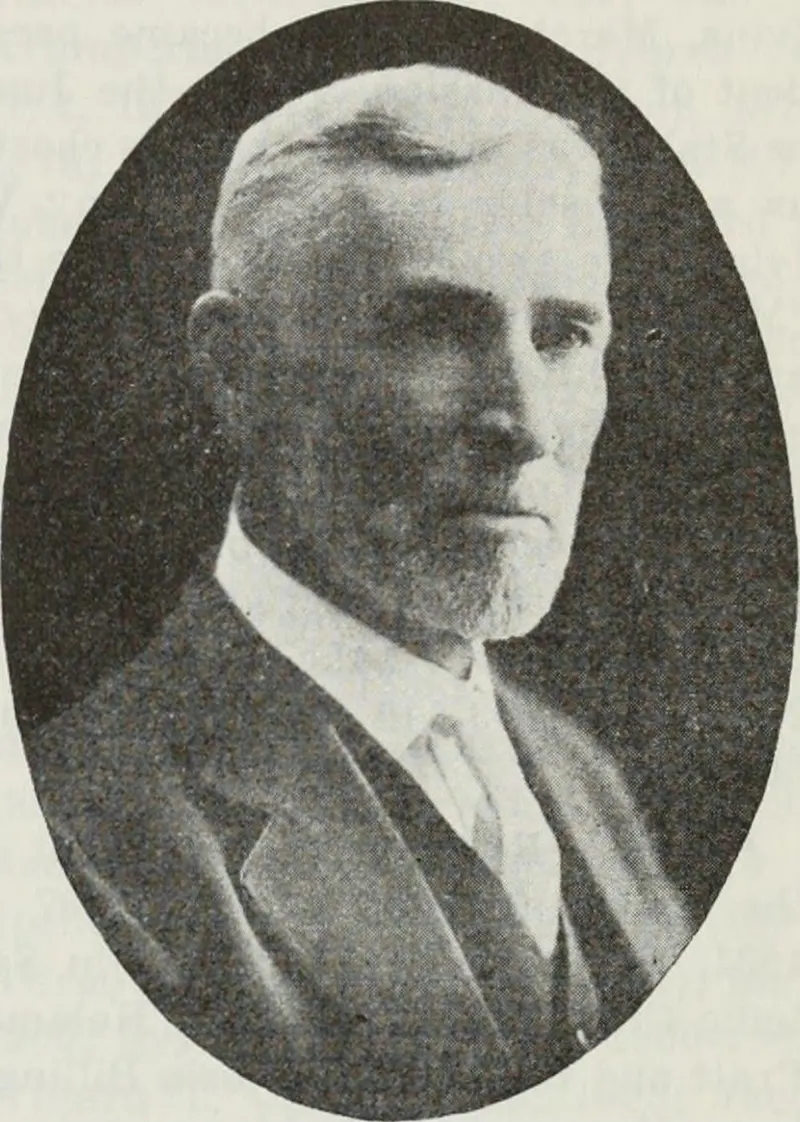
Ivins returned to Utah in 1907 and was sustained to the Quorum of the Twelve Apostles on October 6 of that year. From about 1918 to 1921 he also led the church’s Young Men’s Mutual Improvement Association. In March 1921 he became second counselor to church president Heber J. Grant, who was also his cousin, and in 1925 he became first counselor. He served in the First Presidency until his death.
November 1926: a visit to the Santa Clara Bench
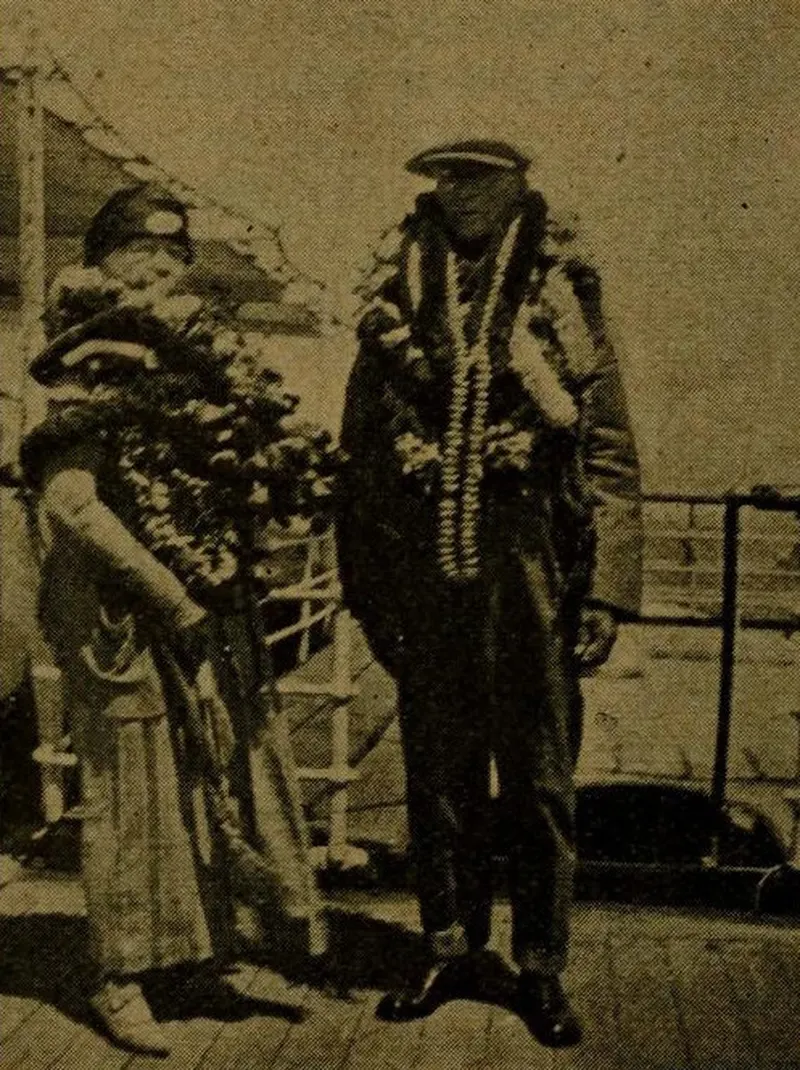
By the mid-1920s, a handful of families had settled on the Santa Clara Bench, farming land watered by the canal finished in 1918. In November 1926, Anthony W. Ivins visited the settlement. According to Myrtle L. Gubler’s History of the Town of Ivins, he gave $100 and promised the town a bell, which was sent later. The settlement was named Ivins in his honor. No source we found gives the exact day of his visit, but 2026 marks 100 years since it.
For the fuller story of how the Bench became a town, including the canal, the early settlers and the old chapel, read our post on how the Santa Clara Bench became Ivins. If you’d like to see it told in pictures, there’s also a short 100 years of Ivins history video.
His later years and legacy
Anthony W. Ivins died in Salt Lake City on September 23, 1934, at age 82, and was buried in the Salt Lake City Cemetery. Ivins was incorporated as a town the next year, in 1935. Other honors followed: Ivins Mountain in Zion National Park was named for him in 1935, and in 1958 he was inducted into the Hall of Great Westerners at the National Cowboy & Western Heritage Museum for his contributions to the cattle industry.
Living with his name today
A century after that November visit, Ivins looks very different from a few farms on the Bench. What hasn’t changed is the setting he knew so well: the red cliffs, the Santa Clara River corridor and a small community where neighbors still know each other. Next time you drive past the old church or write “Ivins, UT” on an envelope, you’ll know a little more about the man behind the name.
More to explore
- Ivins history: how the Santa Clara Bench became Ivins
- Ivins homes for sale
- Kayenta homes for sale and Snow Canyon homes for sale
- Ivins city meetings archive
- All articles from The OwnUtah Journal
- OwnUtah.com home
Sources
- Myrtle L. Gubler, History of the Town of Ivins, via Washington County Historical Society (PDF)
- Church History Biographical Database: Anthony W. Ivins
- BYU Religious Studies Center: Anthony Woodward Ivins (Prophets and Apostles of the Last Dispensation)
- BYU Religious Studies Center: Anthony Woodward Ivins (Mexico colonies)
- Wilford Woodruff Papers: letter of Dec. 10, 1895, on organizing the Juárez Stake
- Wikipedia: Anthony W. Ivins, and its cited sources
- Ivins Historical Society: History of Ivins City
- Utah Division of Archives and Records Service: Ivins (Utah) agency history
- Photos: Wikimedia Commons, Category: Anthony W. Ivins (public domain)
Thanks for reading!
Robert Bolar
REALTOR®, Summit Sotheby’s International Realty
801-737-3333 · Robert@OwnUtah.com